
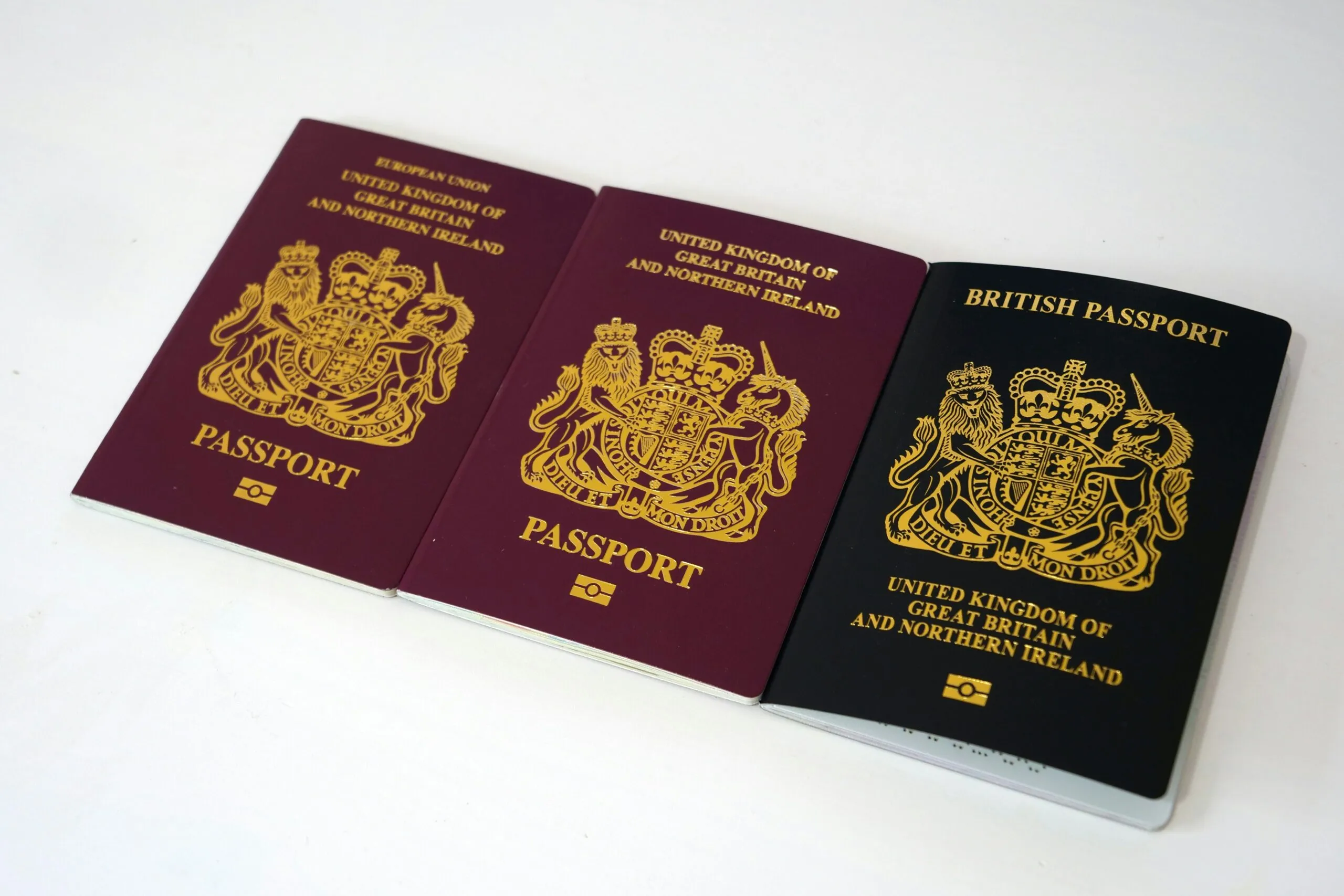
Have you ever wondered whether you can hold more than one passport? It is a very common question among people with Italian roots. The good news: yes, you can, and the rules have become even clearer in recent years.
What dual (or multiple) citizenship means
Dual citizenship means being recognised as a citizen by two countries at the same time, with the rights and duties of each. It can come about through:
- descent, when you are entitled to a country’s citizenship through your parents or grandparents;
- naturalisation, when you acquire the citizenship of the country you live in;
- marriage, when a country’s law allows a citizen’s spouse to become a citizen too.
Does Italy allow it?
Italy has allowed dual citizenship since 1992: anyone recognised as Italian does not have to give up their other citizenship.
Whether you can keep your other nationality depends on that country’s law. Brazil, for example, has allowed it explicitly since Constitutional Amendment 131/2023: Brazilians no longer lose their nationality when acquiring another one, whether by recognition or naturalisation. Loss only happens if the person expressly requests it. The United States, Argentina, Canada and many other countries also accept dual citizenship.
So you can hold, for instance, Brazilian and Italian passports at the same time, with no legal problem at all, and even more than two, as long as every country involved accepts multiple citizenship.
How to use each passport
- In your other country of citizenship, always enter and leave on that country’s passport.
- In the European Union, use your Italian passport to access the EU citizens’ lanes and your right to live, study and work there.
- Elsewhere, choose the passport with the best entry conditions for that destination. Just remember to leave and enter a given country on the same document.
Benefits of dual citizenship
- Mobility: easier travel and the option of living abroad.
- Access to rights: healthcare, education and work in both countries.
- Connection with your roots: formal recognition of your family history.
- A legacy for your children: the possibility of passing on citizenship, under the rules in force.
Points to watch
Each country has its own rules on tax, military service and civic obligations. Dual citizens must meet the obligations of both, especially those of the country where they live. Before moving abroad, it is worth getting advice on your tax position.
Want to know if you are entitled to Italian citizenship? Talk to CFLG for a review of your case.
This content is for information only and reflects the law in force on the date of the last update. It is not a substitute for an individual review of your case.